Robots learn safer home assistance: good news for PWDs?
Back to NewsThere’s been a lot of talk about robots “helping humans,” but here's the part that actually matters: safer, more natural two-arm coordination in home settings.
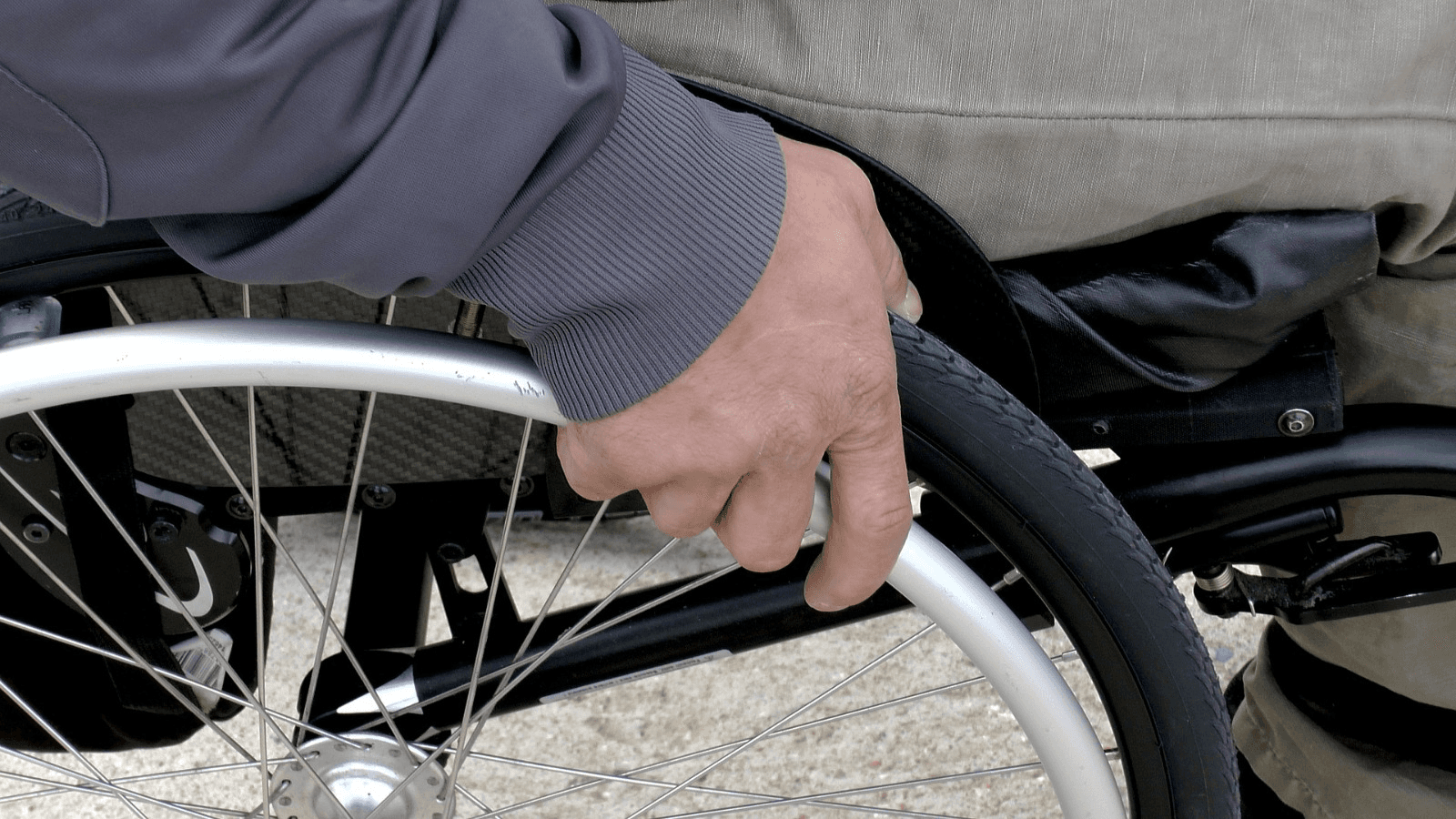
There’s been a lot of talk about robots “helping humans,” but here's the part that actually matters: safer, more natural two-arm coordination in home settings. When robots can use both arms without clumsy collisions, they become genuinely useful for daily assistance—especially for older adults and people with disabilities.
The bonus? The same AI that powers bimanual home robots can spill over into better assistive tech—smarter mobility aids, safer transfer support, more intuitive wearables. Accessibility isn’t a niche; it’s the real-world stress test for robotics.
Source:
Robots learn to coordinate both arms for safer home assistance